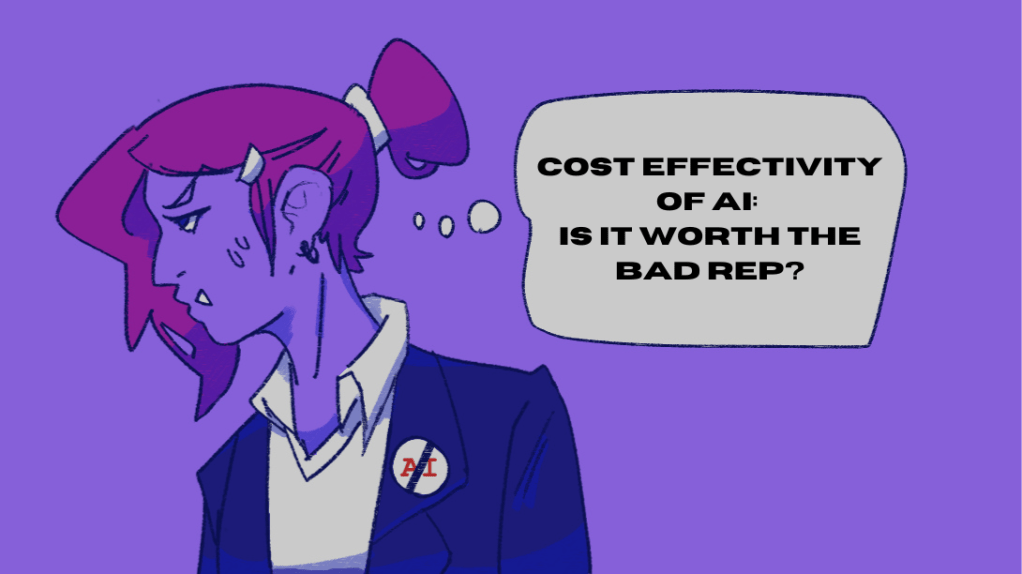
Artificial Intelligence (AI) and generative AI are all the rage these days. From Midjourney to ChatGPT, all it takes is a written prompt to pump out results. However, with the rising pushback on AI and its questionable practices, is it really worth investing in?
Graphic designers in the Philippines earn around three hundred thousand pesos in an entry-level position yearly. Of course, you don’t just need one graphic designer; you need a team of them. For business owners, this number can quickly add up when it comes to building an entire marketing team.
First, there has to be a clean line drawn between generative AI and assistive AI. People, even creatives, have been using assistive AI for years now. Tools like Grammarly have been widely accepted among writers as a way to enhance their crafts. That’s the keyword in assistive AI: enhancement. Generative AI creates new works based on the pieces it was trained with. Generative AI has received the most opposition due to many ethical reasons.
Generative AI seems like an easy way for business owners to save some money and time while still producing something. Instead of hiring multiple graphic designers and copywriters, they can simply input a few words into ChatGPT or Midjourney. A complete poster could be made in mere seconds with the input of one person. With the ease of AI, even ‘prompt engineers’ (people who create prompts to put into generative AI) aren’t essential.
However, there are many reasons for people to protest about using AI. For one, AI is still very new in terms of its consistency. Six fingers and melting backgrounds aren’t uncommon for AI art. Surface level and unengaging sentences aren’t uncommon for AI writing.
One can make the argument that investing in it now is a good move. The more people use these technologies, the more they’re trained and refined. However, some consumers see the unpolished material and believe it to be telling how little the business cares.
Secondly, there have been countless protests against using AI in the creative field. SAG-AFTRA (Screen Actors Guild-American Federation of Television and Radio Artists) and WGA (Writers Guild of America) are two notable strikes that occurred in recent years. They argue that AI is taking away people’s livelihoods. These industries thrive on the human touch. Consumers may trust big tech companies to develop AI, but not the smaller brands or those that benefit from a human behind the work. Non-creatives have also taken a stand with these artists for ethical reasons.
Lastly, there are talks of its environmental effects. Generating images and training them use large amounts of energy. Its carbon footprint is gigantic. To train an AI model, it emits enough carbon to rival five whole cars in their entire lifetime.
Generation Z is known to be environmentally conscious. This generation of consumers is known to have a big influence in getting older generations to turn to sustainability. Choosing AI completely alienates these demographics.
And while Gen Z and climate activists may not be the ones paying the most money to tech companies, they are the loudest ones in opposing it. “All press is good press” cannot apply when there is an active campaign to boycott generative AI. Maybe in the near future, when AI has developed enough to be used commercially, the pros could outweigh the cons.
Blog by Nicole Samson
 Ambidextr Media
Leave a comment